
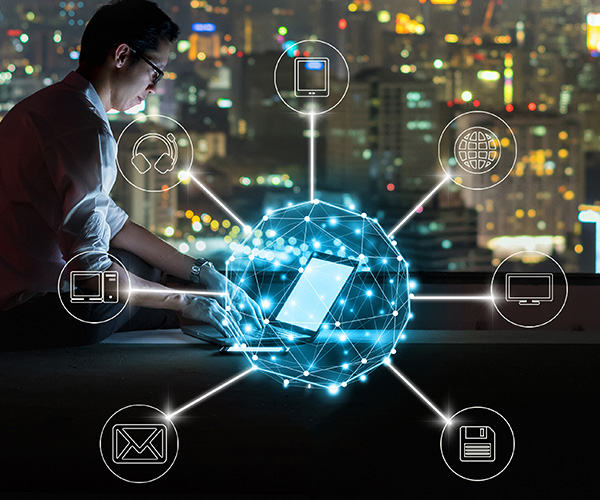
The automotive retail landscape has undergone a significant transformation in recent years. Today’s consumers are more informed, more connected, and more selective than ever before. They no longer follow a linear path to purchase. Instead, they move seamlessly between online research, mobile browsing, social media engagement, and in-store visits. For dealerships, this shift has made one thing clear: a fragmented marketing approach is no longer enough.
Omnichannel marketing has emerged as a critical strategy for modern dealerships looking to stay competitive. By creating a cohesive, connected experience across every customer touchpoint, dealers can meet buyers where they are and guide them smoothly through their purchasing journey.
What Is Omnichannel Marketing?
Omnichannel marketing focuses on delivering a unified, consistent experience across all channels, both digital and physical. Whether a customer is browsing inventory on a website, interacting with a social media ad, or visiting a showroom, the messaging, branding, and experience should feel seamless.
The result is a more intuitive and engaging customer journey that reflects how people actually shop for vehicles today.
The Modern Car Buyer Journey
Today’s car buyers are empowered by information and driven by convenience. Before stepping foot into a dealership, many have already completed a significant portion of their research online. They compare models, read reviews, explore financing options, and even value their trade-in, all from their devices.
Consumers often switch between channels multiple times before making a decision. They may start on a desktop, continue on a mobile device, engage with a paid ad, and then visit the dealership in person.
Without an omnichannel strategy, these transitions can feel disjointed.
Why Omnichannel Marketing Matters More Than Ever
As competition increases and consumer expectations evolve, dealerships must adapt to remain relevant. Omnichannel marketing is no longer a forward-thinking strategy. Instead, it’s a necessity.
First, it enhances the customer experience. When interactions are consistent and personalized across channels, customers feel understood and valued. This leads to stronger relationships and higher satisfaction.
Second, it improves conversion rates. A seamless journey reduces friction, making it easier for customers to move from interest to action.
Third, it strengthens brand perception. Dealerships that deliver a polished, connected experience stand out in a crowded market.
Key Components of an Effective Omnichannel Strategy
To successfully implement omnichannel marketing, dealerships need to align their tools, data, and messaging across all platforms. This requires both strategic planning and the right technology.
A strong omnichannel strategy typically includes:
- A user-friendly website with up-to-date inventory and integrated tools
- Consistent branding and messaging across digital ads, social media, and email campaigns
- CRM integration to track customer interactions and preferences
- Personalized communication based on user behavior and intent
- In-store processes that reflect and support digital interactions
When these elements work together, they create a unified experience that feels natural and intuitive to the customer.
Common Challenges and How to Overcome Them
While the benefits of omnichannel marketing are clear, implementation can present challenges. Many dealerships struggle with disconnected systems, inconsistent messaging, or limited visibility into customer data.
To overcome these obstacles, it is important to invest in integrated technology solutions that centralize data and streamline processes. Training staff to understand and support omnichannel strategies is equally critical. Everyone involved in the customer journey should be aligned and equipped to deliver a consistent experience.
Additionally, dealerships should regularly evaluate their marketing efforts to identify gaps and opportunities for improvement.
Enhance Your Dealership’s Omnichannel Marketing Strategy
The path to purchase is no longer straightforward, and dealerships must adapt to keep pace. Omnichannel marketing provides the framework needed to navigate this complexity, offering a unified approach that aligns with modern consumer behavior.
For dealerships looking to enhance their marketing performance, improve customer satisfaction, and stay ahead of the competition, the message is clear: the time to embrace omnichannel is now.