
FTC Compliance in Automotive Retail
The Federal Trade Commission is increasing focus on automotive advertising and pricing transparency is changing how dealerships approach compliance. What was once treated primarily as legal consideration is now becoming a core operational business function for dealerships.
At Stream Companies, we believe compliance should not be viewed simply as a legal obligation or reactive process. It should be treated as a core operational discipline with defined ownership, documented workflows, ongoing education, and accountability across your organization.
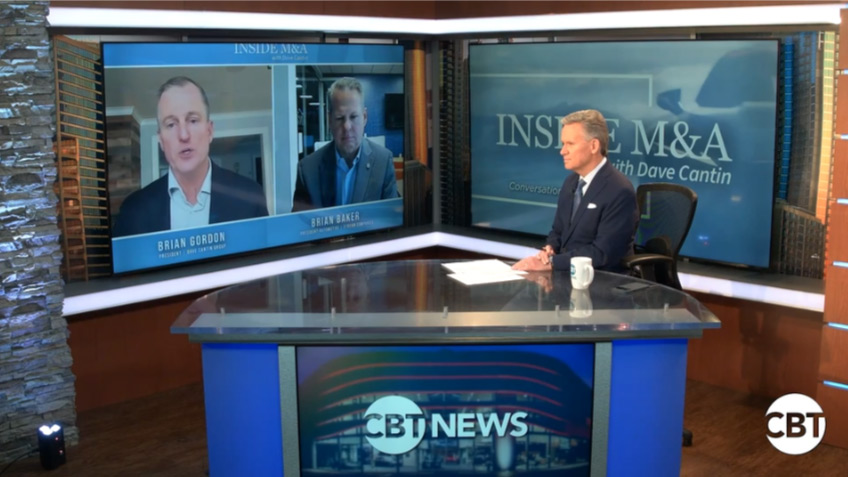
FTC Compliance and the Future of Automotive M&A
Stream Companies President of Automotive, Brian Baker, recently joined an episode of CBT News’ Inside M&A series to discuss how the FTC’s enforcement activity is impacting dealerships, marketing operations, and automotive M&A activity.
The conversation focused on a critical shift happening across the industry. Compliance is no longer being treated as a back-office legal concern. It is becoming a measurable business function that directly impacts operational risk, marketing execution, and dealership value.
“It’s time to put formal processes in place, invest in ongoing education across the organization, and actively work with your vendor partners to ensure everyone is fully aligned with how you are taking products and messaging to market.”
– Brian Baker, Stream Companies President of Automotive
Watch the full conversation on CBT News Inside M&A.
What Dealers Should Do Now
Dealerships should take a proactive approach to compliance before regulatory issues arise.
Stream Companies recommends dealerships:
- Establish documented approval workflows for all advertising and marketing assets
- Designate a single point of accountability for compliance review and sign-off
- Implement ongoing staff education instead of relying solely on periodic training sessions
- Formally vet vendor partners to ensure they understand federal, state, and OEM advertising requirements
- Standardize processes across rooftops and regions to reduce operational inconsistencies
- Align legal, marketing, operations, and leadership teams around shared compliance expectations
Compliance gaps often emerge when processes are informal, decentralized, or inconsistently enforced. As dealer groups grow, those risks become more difficult to manage without clear structure and oversight.
How Stream Companies Helps Dealers Navigate Compliance
Stream Companies helps dealerships build marketing strategies that support both performance and compliance. We work with dealer groups to create scalable processes, improve operational alignment, and reduce risk across advertising and communications.
Our approach helps dealerships:
- Maintain compliant advertising practices
- Improve internal accountability and process consistency
- Align marketing with OEM and regulatory expectations
- Support long-term operational growth and scalability
Dealerships that establish strong processes today will be better positioned to adapt as regulatory expectations continue to evolve.
Turning Compliance Into a Competitive Advantage
As compliance expectations continue to evolve, dealerships need more than policies and approvals. They need systems that support accurate, consistent, and scalable execution across every marketing channel.
That is where Stream Companies’ Retail Ready platform helps dealerships simplify operations while supporting compliant advertising practices. Retail Ready centralizes incentives, offers, disclaimers, and program messaging into a streamlined workflow that helps reduce inconsistencies across websites, campaigns, and marketing channels.
With Retail Ready, dealerships can:
- Centralize incentives, offers, and disclaimers across marketing channels
- Reduce inconsistencies in customer-facing messaging
- Improve operational efficiency and speed to market
- Create more standardized processes across rooftops and regions
- Support compliant advertising workflows with greater visibility and oversight
- Reduce manual updates and operational bottlenecks
By combining technology, process, and operational oversight, dealerships can improve marketing execution while maintaining greater control over compliance standards.
As the industry continues adapting to increased FTC scrutiny, dealerships that invest in scalable compliance processes and connected technology solutions will be better positioned for long-term growth.
Frequently Asked Questions About FTC Compliance & Automotive Advertising
As dealerships continue adjusting to increased scrutiny around advertising transparency and pricing practices, many of the same questions continue to surface across digital marketing, website pricing, rebates, and customer communications.
Below are some of the most common FTC compliance questions discussed during our webinar, along with practical guidance dealerships should consider when reviewing their advertising and pricing strategies.
What fees must be included in advertised lease payments?
In general, advertised lease payments should accurately reflect the payment consumers can reasonably expect to pay, excluding only clearly permissible governmental charges such as taxes, title, and registration fees where applicable by state law.
Dealerships should carefully evaluate whether dealer fees, acquisition fees, administrative fees, and other mandatory charges are being excluded in a way that could create misleading pricing impressions.
The safest approach is transparency and consistency across all advertised lease offers.
Can sales tax and governmental fees still be excluded from advertised pricing?
In many cases, taxes and certain governmental fees may still be excluded from advertised pricing if clearly disclosed and compliant with state regulations. However, dealerships should ensure the advertised payment is not artificially lowered by excluding mandatory dealer-imposed charges that consumers will ultimately be required to pay.
State regulations can vary significantly, making it important to review dealership advertising practices with legal and compliance partners.
Can conditional rebates be displayed “above the line”?
Conditional rebates remain one of the most heavily scrutinized areas of dealership advertising.
Even if rebate qualifications are disclosed, displaying conditional rebates in a way that creates a misleading “starting price” may still create compliance concerns, especially when most consumers would not realistically qualify for all incentives shown.
Many states, including Pennsylvania, have additional advertising requirements beyond FTC expectations. Dealerships should avoid presenting conditional pricing in ways that could confuse consumers about the true vehicle cost.
Can dealerships advertise vehicles without listing a price?
In some cases, dealerships may advertise vehicles without displaying a specific selling price. However, once pricing claims, payment claims, discounts, or savings statements are introduced, additional disclosure and compliance obligations are typically triggered.
Dealerships should be cautious about attempting to avoid compliance requirements simply by removing pricing entirely from advertisements while still implying savings or affordability.
Can conditional rebates be included in SRP and VDP pricing?
This continues to be one of the largest areas of industry concern.
Generally, dealerships should avoid displaying pricing on Search Results Pages (SRPs) and Vehicle Detail Pages (VDPs) that includes rebates or incentives not available to the majority of consumers unless those conditions are clearly and prominently disclosed.
The key issue regulators evaluate is whether the displayed price could reasonably mislead consumers regarding the actual purchase price.
Do FTC advertising rules apply to emailed quotes sent to customers?
Compliance expectations do not stop at website advertising.
Email quotes, payment breakdowns, digital retailing communications, and other customer-facing pricing discussions can all create potential compliance exposure if pricing is misleading, incomplete, or inconsistent.
Dealerships should apply the same transparency standards across websites, email communications, CRM templates, and desking tools.
Can dealerships advertise discounts without displaying a selling price?
Advertising a discount alone, such as “$5,500 Off MSRP,” may still trigger compliance concerns if the consumer cannot clearly understand the actual vehicle selling price and applicable conditions.
Transparency remains the core principle. Dealers should ensure consumers can reasonably determine the real purchase price without confusion or hidden qualification requirements.
Is “everyone qualifies pricing” compliant?
Statements such as “everyone qualifies” may reduce some compliance risk compared to stacked or conditional rebates, but dealerships still need to ensure:
- Rebates shown are genuinely available to all consumers
- Incompatible incentives are not combined
- Pricing disclosures are clear and easy to understand
- Mandatory fees and conditions are properly communicated
Even well-intentioned pricing structures can create risk if the overall advertisement could still mislead a reasonable consumer.
Do FTC expectations apply to four-square worksheets and payment conversations?
Yes. While traditional four-square worksheets are typically part of individual deal negotiations rather than public advertising, dealerships should still ensure all payment discussions and desking communications are transparent and accurate.
Misleading payment structures, hidden fees, or unclear financing assumptions can still create consumer protection concerns regardless of whether they appear online or during in-store negotiations.
Why FTC Compliance Matters More Than Ever
FTC compliance is no longer just a legal review process. It is becoming a core operational responsibility that impacts marketing, sales, fixed ops, customer experience, and dealership reputation.
As dealerships continue expanding digital retailing, automated marketing, AI-driven advertising, and omnichannel customer communication, the importance of consistent and transparent pricing practices will only continue to grow.
The dealerships that establish strong internal processes now will be better positioned to reduce risk, improve customer trust, and adapt to evolving regulatory expectations.